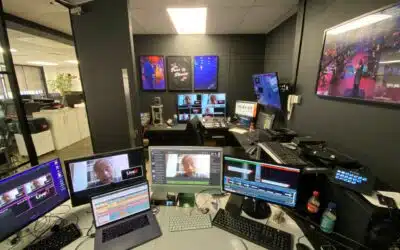
Over the past couple of years, the events industry has undergone a massive digital transformation, spurred on by unforeseen global circumstances. One of the most notable developments in this regard is the meteoric rise of virtual events. Whether for conferences, expos, product launches, or webinars, event organisers are increasingly looking to embrace the virtual format. As a result, the importance of professional virtual event production has never been more evident.
The virtual event revolution is more than just a response to the need for social distancing; it signifies a broader digital evolution trend. Virtual events offer unparalleled accessibility, making geographical limitations a thing of the past. From enhancing participant engagement to offering innovative monetisation strategies, the benefits of virtual events are many and varied. This guide explores the essential steps for transitioning your live event into a captivating and profitable virtual experience.
Planning for a Virtual Event
The first step in transforming a live event into a virtual one is planning. This process involves defining clear objectives and goals, identifying your target audience and understanding their expectations, establishing a realistic timeline, and creating a budget that accounts for your virtual event production needs.
Your event’s goals could range from brand promotion, lead generation, to community engagement. Understanding your objectives helps determine the type of event (webinar, virtual conference, etc.), its duration, and the best time to host it.
Just as in a live event, understanding your audience is key in the virtual space. Audience personas can guide your content creation, marketing strategy, and platform choice. It’s also crucial to consider your audience’s technological proficiency and accessibility needs.
Budgeting for a virtual event can differ significantly from live events. While you may save on venue and physical setup costs, be prepared for expenses related to virtual event platform subscription, digital marketing, and potentially hiring virtual event production companies.
Selecting the Right Virtual Event Platform
Choosing the right virtual event platform is another critical aspect of your planning phase. Numerous platforms offer diverse features, ranging from interactive sessions, and networking rooms, to virtual exhibition halls. Your choice of platform should be driven by your event requirements, user experience considerations, and attendee engagement opportunities.
Features to consider may include live streaming capabilities, interactive tools such as polls and chat rooms, networking functionalities, and accessibility features. Always aim for a platform that offers a balance of intuitive user experience and comprehensive functionality.
Adapting Event Content for a Virtual Environment
Transitioning to a virtual format doesn’t mean just transferring your live event agenda to a digital format. It demands a complete reimagination of the event agenda, format, and presentation of content. A significant part of this process involves incorporating interactive elements and multimedia content to engage the audience.
Ensure that your content is accessible to all attendees, considering different time zones and potential technical limitations. A mix of live and pre-recorded sessions can help manage these considerations. Interactive elements such as live Q&A sessions, quizzes, or even virtual breakout rooms can add a dynamic and engaging aspect to your virtual event.
Leveraging Technology for Virtual Event Success
The successful execution of a virtual event heavily relies on the robustness of the chosen technology. From using appropriate audio and video equipment to the seamless integration of live streaming and virtual networking tools, all technical aspects need to be meticulously planned and tested.
Ensure a thorough technical setup test is conducted, including checks for internet bandwidth, audio-video quality, screen sharing, and more. Anticipating potential technical issues and having a troubleshooting plan in place is also crucial. Consider engaging a virtual event production company that can handle these aspects, allowing you to focus on the event content and audience engagement.
Engaging Attendees in a Virtual Setting
Virtual event environments can present a unique set of challenges when it comes to attendee engagement. Therefore, adopting strategies to keep your audience interested and involved is vital.
Gamification is a popular method to enhance attendee participation, with features such as leaderboards, points systems, or virtual scavenger hunts. Providing virtual networking opportunities, including dedicated chat rooms or discussion boards, also help facilitate interaction among attendees.
Social media interactions should not be underestimated in a virtual setting. Encouraging attendees to share their experiences using a dedicated event hashtag can generate buzz and promote attendee engagement.
Monetization and Revenue Generation
Virtual events present diverse monetisation opportunities, from ticketing and registration systems to virtual exhibit booths and digital advertising. Sponsorship opportunities also translate well in the virtual space. For example, sponsored sessions or virtual swag bags can provide value to both sponsors and attendees.
Implementing a ticketing system for your virtual event can be a direct revenue generator. Alternatively, freemium models, where basic access is free but premium content comes at a cost, can also be considered.
Virtual exhibit booths offer an exciting avenue for sponsors and advertisers. They can be customised to showcase products, offer downloadable content, host live demos, or facilitate one-on-one chats.
Preparing Speakers and Presenters for Virtual Delivery
A virtual event is only as effective as its presenters. Providing clear guidelines and best practices for virtual presentations, along with sufficient technical checks and rehearsals, can ensure a smooth delivery.
Pre-event rehearsals can help presenters familiarise themselves with the platform features, fine-tune their presentations, and prepare for managing interactive sessions like Q&A.
Ensuring a Smooth Virtual Event Experience
Like any live event, the success of a virtual event lies in the details. Comprehensive testing, clear communication channels, and real-time technical issue resolution can ensure a seamless experience for attendees.
Establish a communication strategy to update attendees about the agenda, access links, platform tutorials, etc. Also, have a dedicated team to monitor and address any technical issues that arise during the event.
Post-Event Evaluation and Analysis
The conclusion of your virtual event should be the beginning of your analysis. Collect feedback from attendees, analyze event metrics and performance indicators, and identify areas for improvement. Such insights will inform your strategy for future virtual events, continually enhancing your virtual event production capabilities.
The era of virtual events is upon us. By understanding and implementing the principles and strategies in this guide, you can confidently embark on your journey to transform live events into engaging and profitable virtual experiences. Let’s embrace the digital revolution and redefine the future of events together.